
Every time you wash your cut glass, you risk damaging it. Some specialists advise that the less you handle it (i.e. cleaning), the better it is for the glass.
When you do want to clean it, handwash in lukewarm water (never real hot or real cold). Dry with a soft lint-free cloth. Some people use a vegetable brush to clean the small cut areas—pat dry and then use the cloth in the cuts to absorb all the water.
If you are using a cut glass vase, don’t let the water sit for a week. Keep changing the water. If you get a little bit of discoloration, use a denture cleaner tablet in water inside the vase overnight.
Showing posts with label Antiques. Show all posts
Showing posts with label Antiques. Show all posts
Wednesday, June 29, 2011

Thursday, March 31, 2011
Miss Me?

I have been sooo busy! Tomorrow, April 1, is our First Anniversary!
I've been re-arranging and adding new items to the store! Stop by tomorrow to see us.
Remember, that's tomorrow--and that's no April Fool's Joke!
Monday, February 21, 2011
Kovel's Price Guides
Kovels has added over 90,00 new prices and thousands of images to its price guide on Kovels.com, the largest free antiques and collectibles price guide. The prices on Kovels.com are collected and edited by the Kovels and other experts from sales at shops, shows, flea markets, auctions, magazines, newspapers, the internet, dealers, and other knowledgeable sources.
Over 800 categories of the most popular collecting interests in America are included. Also new are over 5,000 pictures of priced antiques. The website also has more information for those interested in antiques or collectibles, including a free directory where you can list or find services for collectors.
A paid subscription is available that includes access to a database of pottery, porcelain and silver marks, and premium articles, updated monthly, with price-filled reports of recent sales, price lists, and Q and A.
Over 800 categories of the most popular collecting interests in America are included. Also new are over 5,000 pictures of priced antiques. The website also has more information for those interested in antiques or collectibles, including a free directory where you can list or find services for collectors.
A paid subscription is available that includes access to a database of pottery, porcelain and silver marks, and premium articles, updated monthly, with price-filled reports of recent sales, price lists, and Q and A.
Monday, July 12, 2010
Brass Cleaning Hints
If your brass is simply dirty, then cleaning using nothing more than soapy hot water and a child’s toothbrush is recommended, this can be used very gently even on those pieces that have fine etchings and decoration. If the piece is only lightly tarnished, then a silver polishing cloth can be used to remove the tarnish. If however there is severe tarnishing then a brass and copper polish should be used to gently remove the tarnish and restore the original beauty.
Whenever you are cleaning brassware it is essential that you dry the piece thoroughly after washing, making sure that great care is taken to remove any cleaning materials that you have used. Residue from cleaning materials can cause pitting of the brass and this should be avoided at all costs as it distracts from the beauty of the antique.
When done correctly a piece of cleaned brass won’t need touching again for several years if it is handled correctly, you should avoid touching the actual item and instead use a cloth to hold and the place the item into place, touching it will only start the tarnishing process over again. The only thing you should need to do on a regular basis is to give the piece a quick dust over to ensure that its shine remains.
Whenever you are cleaning brassware it is essential that you dry the piece thoroughly after washing, making sure that great care is taken to remove any cleaning materials that you have used. Residue from cleaning materials can cause pitting of the brass and this should be avoided at all costs as it distracts from the beauty of the antique.
When done correctly a piece of cleaned brass won’t need touching again for several years if it is handled correctly, you should avoid touching the actual item and instead use a cloth to hold and the place the item into place, touching it will only start the tarnishing process over again. The only thing you should need to do on a regular basis is to give the piece a quick dust over to ensure that its shine remains.
Tuesday, July 6, 2010
Provenance - Such a big word!

Provenance, a word that describes the history of a piece, is important in determining the value of an antique. Provenance refers to an object's history, or who owned it, when and where. Many valuable antiques have oral stories that are handed down through families but without precise documentation of a story, they do not add significant value.
So write down what you know about those family heirlooms! Tell the story that your grandpa told, with as many dates and other information that you can. Future generations will thank you for it!
So write down what you know about those family heirlooms! Tell the story that your grandpa told, with as many dates and other information that you can. Future generations will thank you for it!
Sunday, June 27, 2010
Identification of John Deere Items

You can quickly identify early John Deere items by looking at the deer in the logo—older items will have a deer with 4 legs.
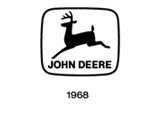
In 1968 the company logo was modernized and streamlined to show a straight-side silhouette with just two legs, instead of the four, and one four-point rack of antlers seen on earlier designs.
Saturday, June 26, 2010
Terms Used by Antique Collectors
The world of antiques can be confusing and when listening to others in the trade that have years of experience--you may think they are talking in a foreign language. If you want to get ahead in the world of antiques then it is essential that you understand what others are talking about, so here are a few of the terms explained in an easy to understand way.
The term antique can be confusing to start with. An item is classed as antique if it is 100 years or older, however in some unique cases an item can be considered antique if it fifty years or more.
Firing cracks is a term that is used in the collection of pottery, this occurs during the baking of the pot in the kiln and it is not actually classed as damage.
The word circa is often used in antiques and this is usually represented by the letter C in front of a date, what this means is hat the item in question can be dated ten years either way from the date that is quoted as a guide.
Soft paste and hard paste are both terms used when talking about porcelain; hard paste porcelain usually comes from Europe while soft paste is usually made in Britain and in some cases France.
When antiques are classed as being in the Victorian period they are usually divided into three different times, early, middle and late Victorian periods this particular applies to furniture and ceramic pieces.
Periods of time are also defined as Elizabethan, Queen Anne, Carolean, Mary and Georgian. They are classed as Edwardian if the item if they are dated 1901 to World War one.
Staffordshire is a word that is used in the collection of pottery particularly if it comes from Britain. This is the area that the pottery was made and includes such as Royal Doulton and Wedgwood pottery pieces.
Enamel is the word that is used to describe the material and in particular the type of paint that was used to decorate porcelain and pottery especially plates.
Jasperware is a term that is used in pottery and especially when it comes to Wedgwood pottery, in fact it was Wedgwood that invented the jasperware process; it is most famous for its representation of classical scenes in relief in white.
Art deco is the term used to describe the decorating techniques and architecture with the most common materials used in these pieces being metal and steel which are well known for portraying geometric shapes.
Baroque is a term used to describe art and architecture that was from Europe ad mainly Italy during the late 16th and early 17th century. The style is typified by the use of very ornate scrolls and curves which was in fashion between 1660 and 1730.
Britannia standard was the first ever silver mark indicating that a particular piece was made of sterling silver with a purity of 92.5%.
The term antique can be confusing to start with. An item is classed as antique if it is 100 years or older, however in some unique cases an item can be considered antique if it fifty years or more.
Firing cracks is a term that is used in the collection of pottery, this occurs during the baking of the pot in the kiln and it is not actually classed as damage.
The word circa is often used in antiques and this is usually represented by the letter C in front of a date, what this means is hat the item in question can be dated ten years either way from the date that is quoted as a guide.
Soft paste and hard paste are both terms used when talking about porcelain; hard paste porcelain usually comes from Europe while soft paste is usually made in Britain and in some cases France.
When antiques are classed as being in the Victorian period they are usually divided into three different times, early, middle and late Victorian periods this particular applies to furniture and ceramic pieces.
Periods of time are also defined as Elizabethan, Queen Anne, Carolean, Mary and Georgian. They are classed as Edwardian if the item if they are dated 1901 to World War one.
Staffordshire is a word that is used in the collection of pottery particularly if it comes from Britain. This is the area that the pottery was made and includes such as Royal Doulton and Wedgwood pottery pieces.
Enamel is the word that is used to describe the material and in particular the type of paint that was used to decorate porcelain and pottery especially plates.
Jasperware is a term that is used in pottery and especially when it comes to Wedgwood pottery, in fact it was Wedgwood that invented the jasperware process; it is most famous for its representation of classical scenes in relief in white.
Art deco is the term used to describe the decorating techniques and architecture with the most common materials used in these pieces being metal and steel which are well known for portraying geometric shapes.
Baroque is a term used to describe art and architecture that was from Europe ad mainly Italy during the late 16th and early 17th century. The style is typified by the use of very ornate scrolls and curves which was in fashion between 1660 and 1730.
Britannia standard was the first ever silver mark indicating that a particular piece was made of sterling silver with a purity of 92.5%.
Saturday, June 5, 2010
Check Out the Jesse James Mall in St. Joe

Do you ever get to Saint Joseph, MO? Stop by the Jesse James Antique Mall. We also sell there. It’s just off of I29 (exit 53). You can spend an entire day there and still not see everything! 
Thursday, May 27, 2010
Memorial Week-end Sale

Are you a copper collector? We have many fine older pieces. Stop by this weekend to see our selection!
We are the newest Antique shop on 3rd Street in Historic Downtown Grand Island--stop in and say hello. We might even offer you a cup of fresh coffee if you care to sit awhile and talk!
Subscribe to:
Posts (Atom)
